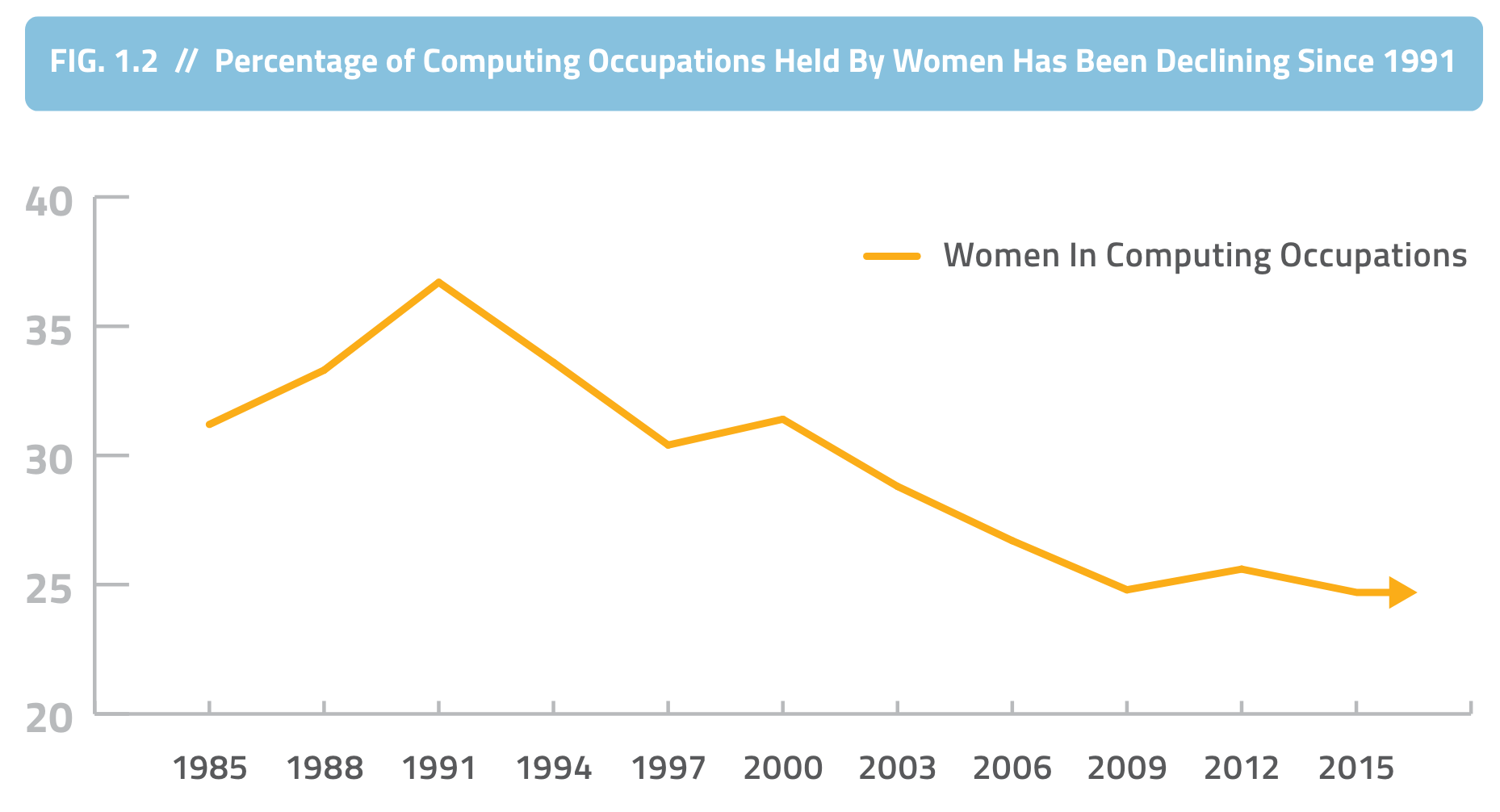
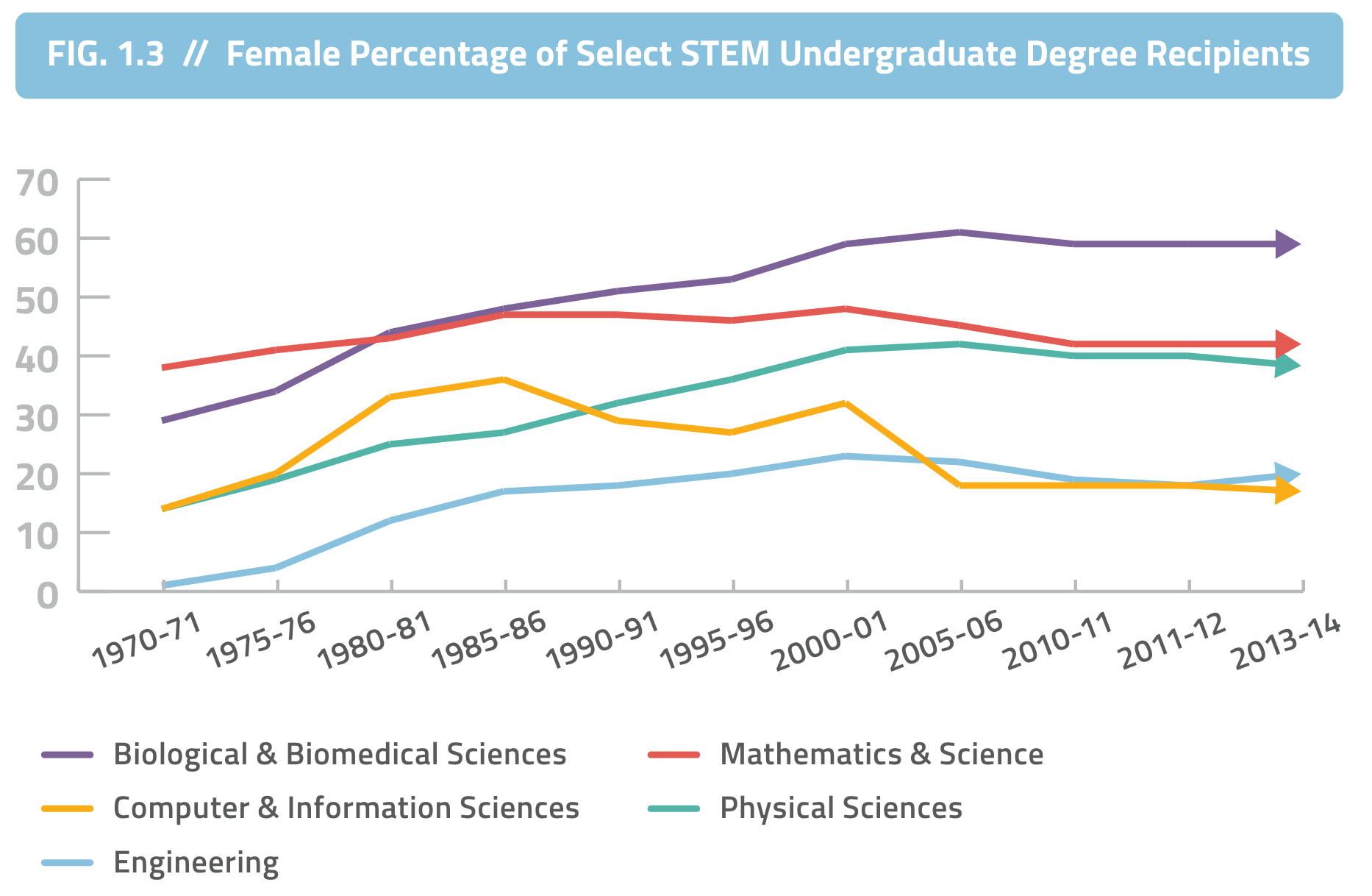
Narrowing the gender gap in computing

Psychology, R, invisibility cloaks, the Pied Piper and a Trojan horse

Andy Field

University of Sussex

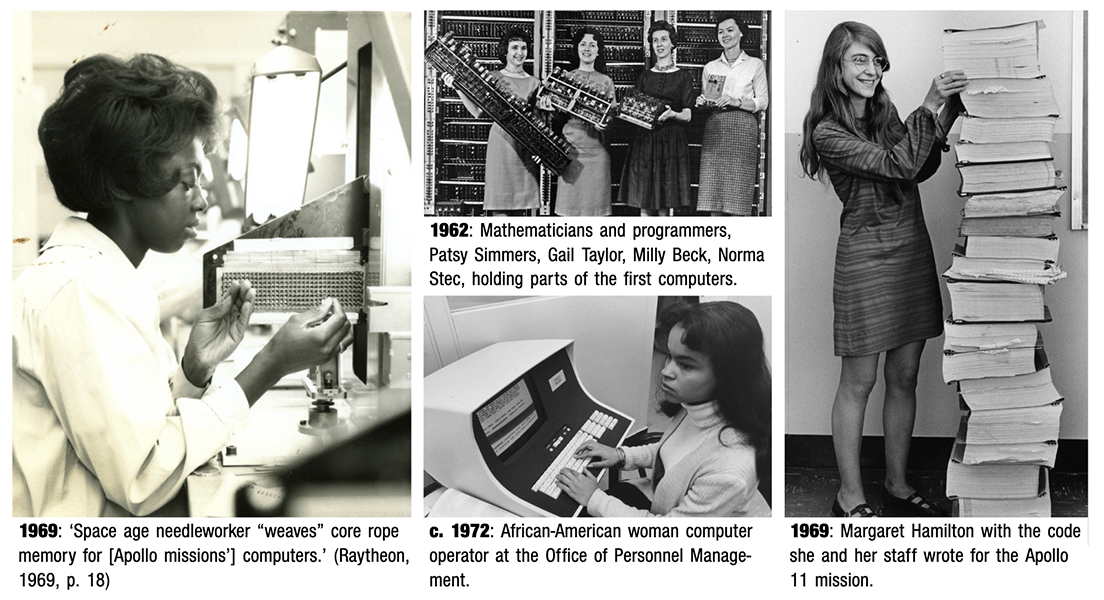
The pioneers of modern tech

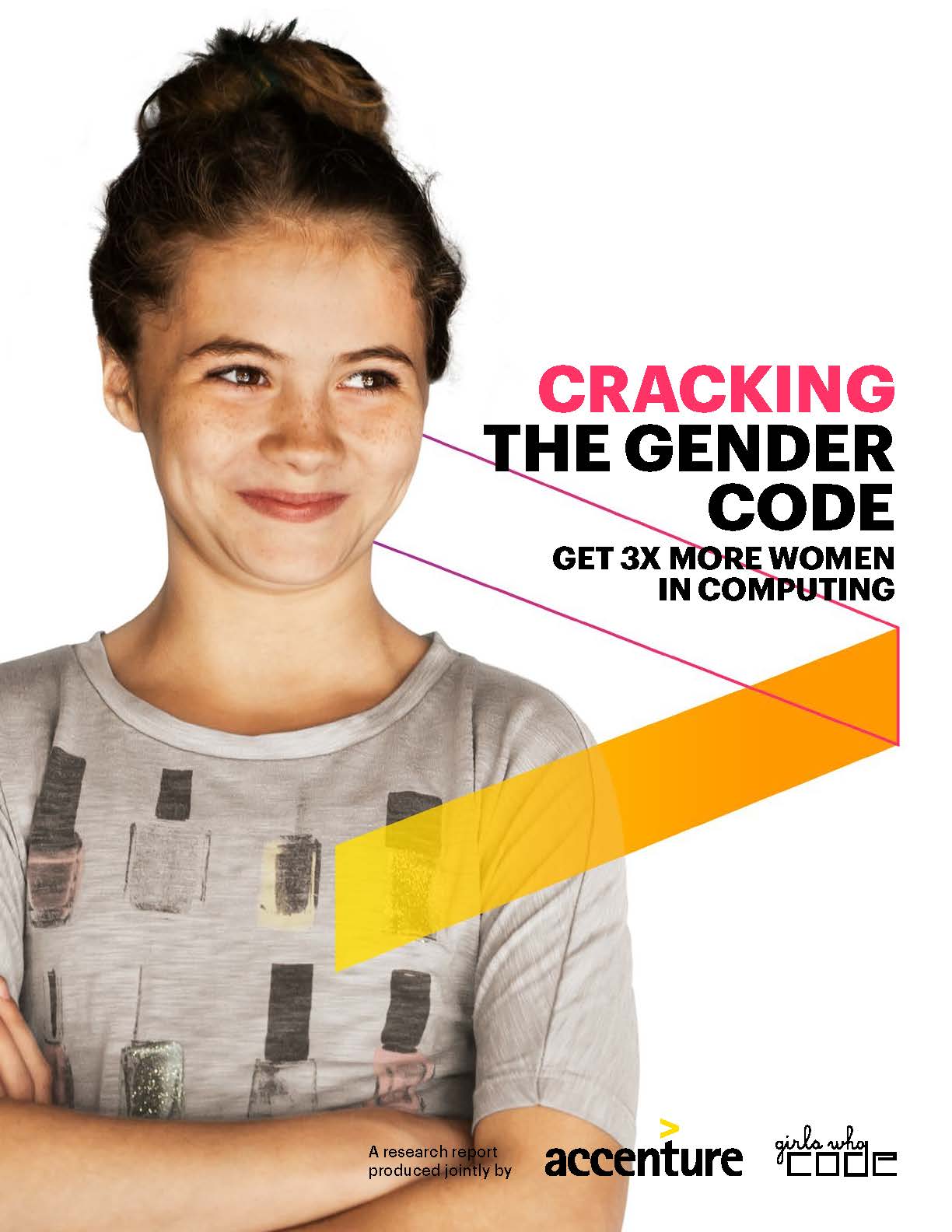
“Cracking the gender code”1

“Only by tailoring courses to girls’ specific needs can we boost their commitment to computing.”

  • Accenture report with Girls Who Code: Cracking the Gender Code (2016)
  • Interviews/Surveys
    • 4,000 girls in junior high and high school,
    • 500 boys aged 12–18,
    • 650 male and female college students,
    • 2,000 working women < 30 years (500 working in computing)
    • 250 teachers and principals
    • 2,200 parents of girls aged 12–18


Accenture & Girls Who Code. (2016). Cracking the gender code. www.accenture.com/us-en/about/inclusion-diversity/cracking-gender-code

Cracking the gender code: recommendations

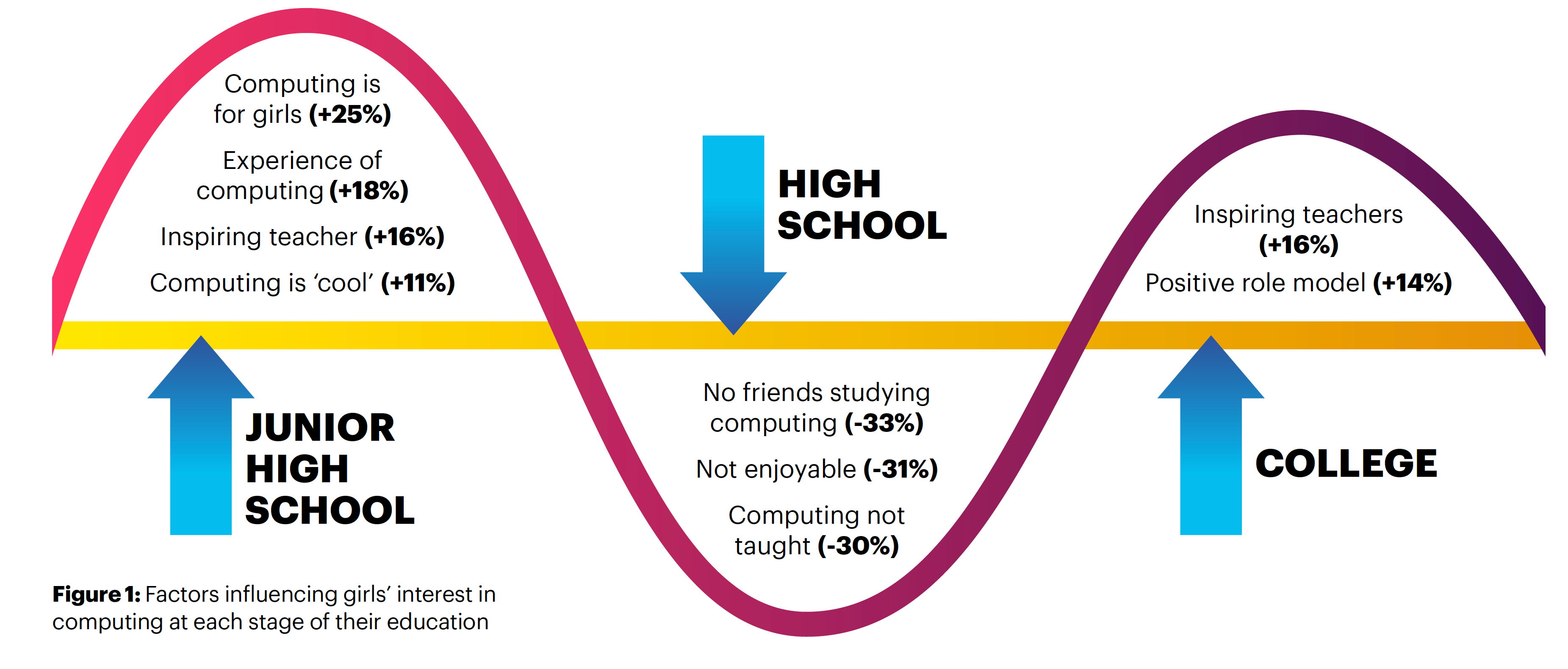
Junior high (10-14 years)

  • Action 1: Deepen girls’ hands-on computing experience
    • More exposure to games = more likely to go into coding (But …)
    • Introduce coding through computer games
  • Action 2: Change girls’ perceptions of computing
    • Challenge stereotypes
    • Role models
  • Action 3: Support parents in understanding the wider role of computing

“… there is little awareness among any group that applying computing and coding to real societal problems can help change the world, which can be a powerful hook for girls and a magnet for women.”

High school (14-18 years)

  • Action 1: Redesign computing courses to appeal to girls

“81% of high school girls who studied computing over the summer were interested in studying computing at college, compared to 52% of those who only studied computing at school.”

  • Action 2: Create grassroots campaigns to motivate peer group action

“Definitely [girls want] more clubs and after schools programs. We should be making a connection between ladies of distinction and computing or coding, because a lot of the girls want to feel empowered.” (Teacher)

  • Action 3: Attract more women teachers

“62% of girls in high school who have had someone encourage them to study computing and coding say they are likely to major in it at college, compared to only 15% who have had no role model.”

College (18+ years)

  • Action 1: Give computing courses a makeover

“This includes engaging young women by describing computing courses – and potential careers in the field – in ways that capture women’s strong interest in problem-solving, especially around real-world and social issues.”

  • Action 2: Offer female students immersion programs (allow exposure to coding on non-coding courses and make it easy to switch).
  • Action 3: Create female mentorship and role model programs

“… the influence of role models is strong among women who don’t study computing at college but then go on to pursue a computing career.”

3 Recurring themes

  • Exposure to coding in non-coding environments
    • Games, clubs
    • Non-coding courses
  • Capture women’s interests
    • Teach the wider context of computing
    • Teach within a more female-centric context
  • Provide role models and mentors
    • Challenge stereotypes
    • More female teachers/mentors
    • Inspiration

Question

Where does Psychology fit in?

Recommendation 1

Exposure to coding in non-coding environments

The reality of studying psychology

  • 75% Psychology
  • 25% Statistics, research methods, statistical computing
    • General R (|>, here, knitr)
    • Computing (Functions, loops, The Quarto logo., Markdown)
    • Distributions, sampling theory, probability
    • Data viz (ggplot2, GGally)
    • Descriptive statistics (datawizard, dplyr, forcats, readr, tibble, tidyr)
    • Associations (correlation)
    • Gaussian linear models (afex, broom, car, effectsize, emmeans, ggfortify, lm(), modelbased, parameters, t.test())
    • Logistic regression (glm(), broom)
    • Mediation (lavaan)
    • Robust methods (robust, WRS2)
    • Factor analysis (psych)

Teach using interactive tutorials1

Student quotes

I was taken aback at first but it has grown to be my favourite part of psychology.

Learnt many coding skills I didn’t think I would be able to.

Learning R was difficult at times but overall I found it fun as it’s a completely new and quite unexpected activity and the way it is taught to us is really engaging and quite satisfying.

INJECT R INTO MY VEINS!!

Recommendation 2

Capture women’s interests

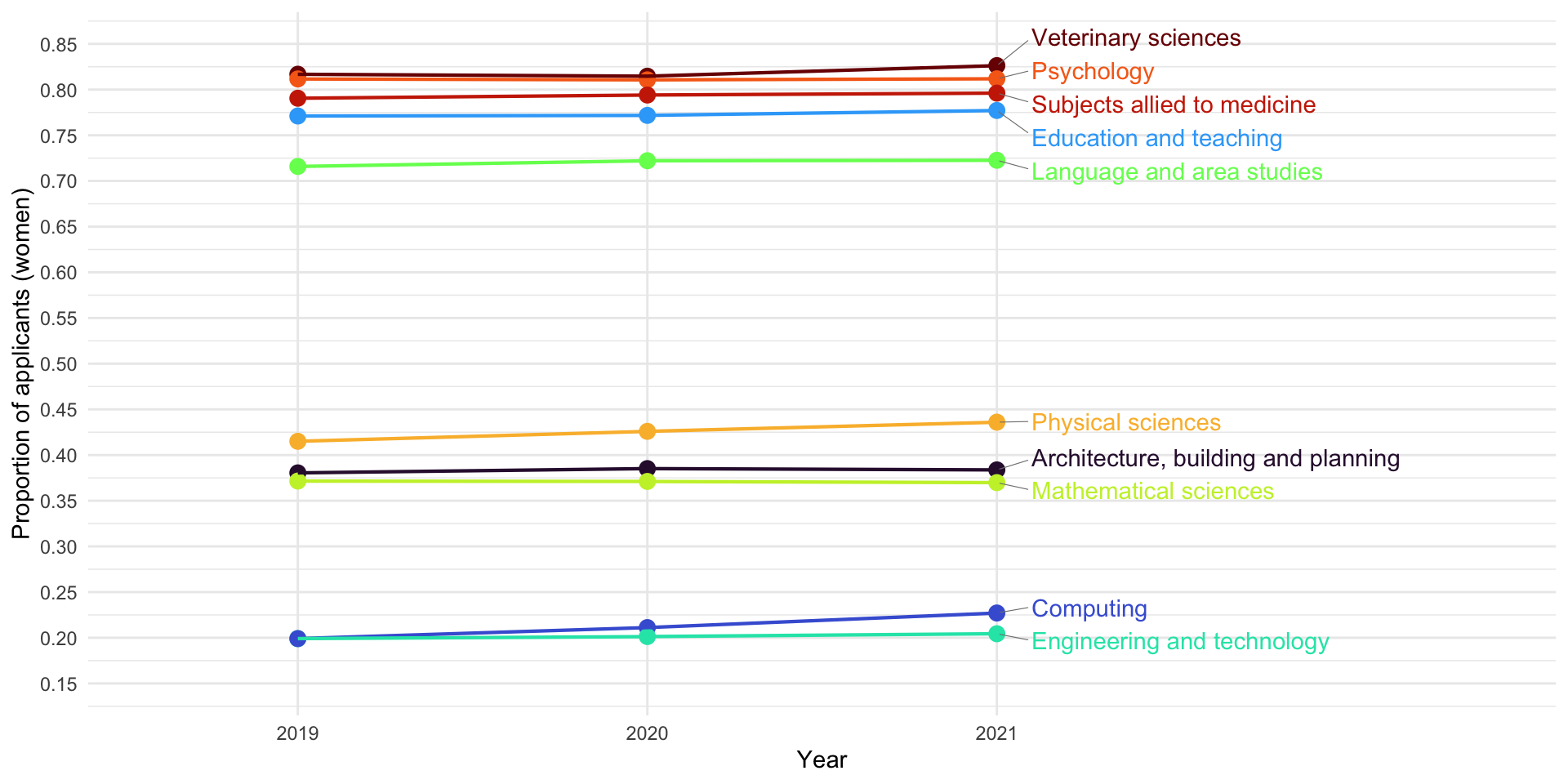
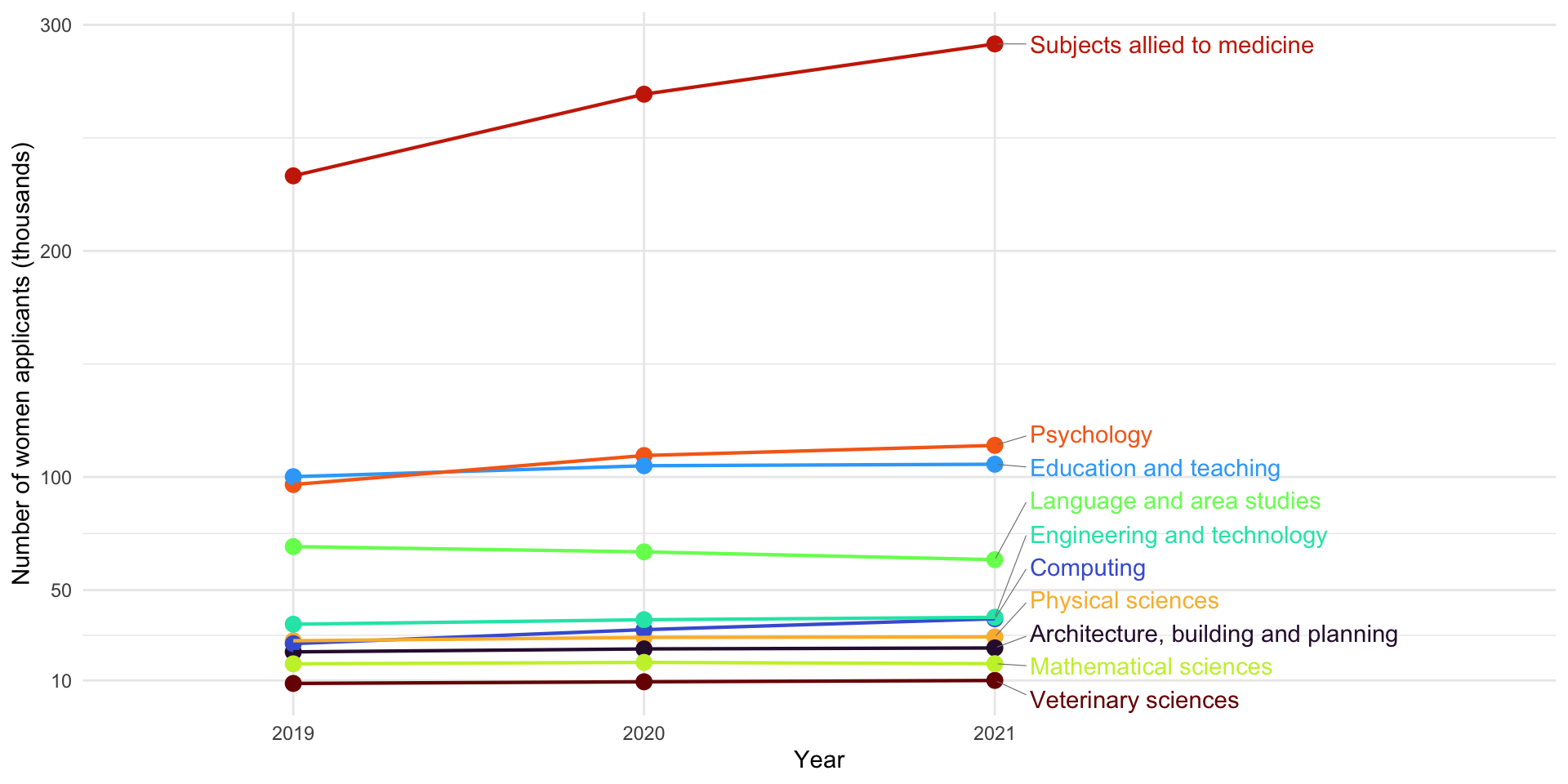
HESA student data 2019-201

Why might more women than men choose psychology?1
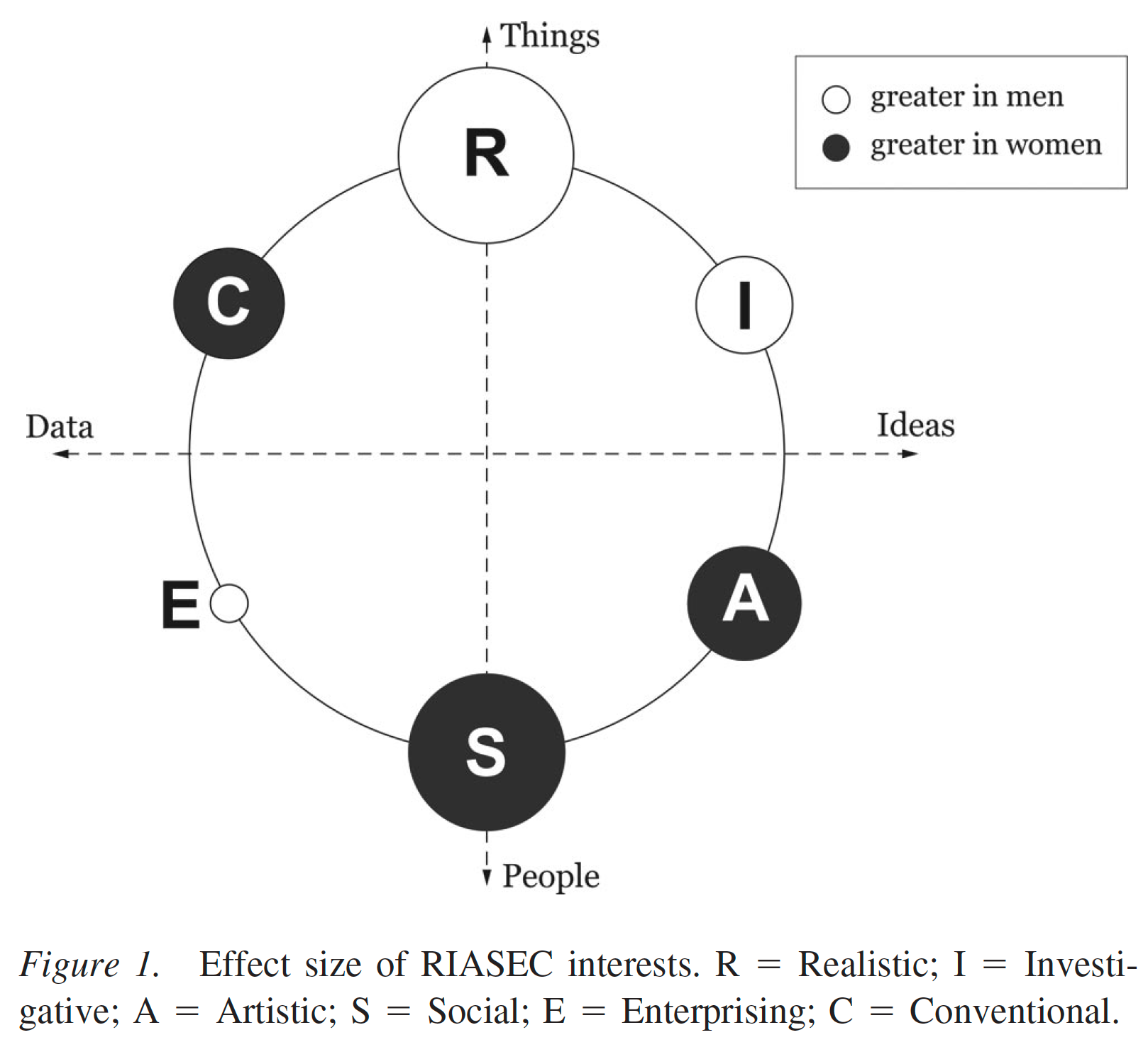
“… capture women’s strong interest in problem-solving, especially around real-world and social issues.”

Psychology is about people, problem solving & social issues

  • Does social media negatively affect mental health?
  • Do good friendships buffer against poor family relationships?
    • Kaufman et al. (2022)

Psychology and coding

“… applying computing and coding to real societal problems can help change the world, which can be a powerful hook for girls and a magnet for women.”

  • The skills acquired through learning will be taught within the context of Psychology examples.
  • Psychology is a science that looks to addresses societal and inter- and intra-personal problems.

Student quotes

I really enjoyed the practicals and surprisingly found coding not that scary but yet interesting.

I personally just really enjoyed learning R. I know this isn’t something most students enjoy learning, but it has been one of my favourite parts of university so far and I am quite upset to part with it (for now!).

Tidy Tuesday1

Recommendation 3

Provide role models and mentors

Role models

“62% of girls in high school who have had someone encourage them to study computing and coding say they are likely to major in it at college, compared to only 15% who have had no role model.”
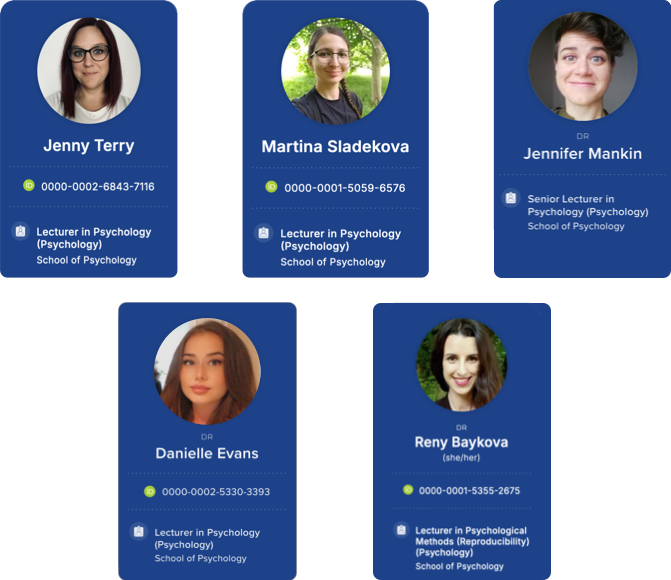
Student quotes

I used to have a panic attack every workshop last term and now I got 82!!!!!!!!! WTF When you said I’m capable of a 1st in this module I thought it was BS like there was no way that was going to happen. I’m shakinggggg, I think I’m gunna cry. THANK YOU (you are literally the best!!! the stats lecturer !!!! the best R explainer !!!! the best listener !!!! the absolute BEST!!!!) I wish I could give you hug!!!!! (IOU 1 HUG).

Yesterday, I had a technical interview where I was required to code a massive data set with 110,000 participants. I then had to report it and present it back in their board room to the CEO. Today… out of 5 finalist graduates… they chose me to be their new data analyst!!! I spoke to the CEO over the phone, and he commented that he couldn’t believe I had been coding for only a couple of years, and that my work was far more advanced than any other graduate he has had - and that’s because of you!! Taught by the best!

I didn’t realise that R was a part of my course. As a lazy student, I didn’t even read my prospectus before joining, so it was a complete (unpleasant) surprise that I was studying statistics and coding. During secondary school, I barely scraped a C in Higher Maths GCSE. As such, I was absolutely terrified to learn that I now had to learn coding and statistics … I now work as a Data Analyst in the R Programming Language. I love my job.

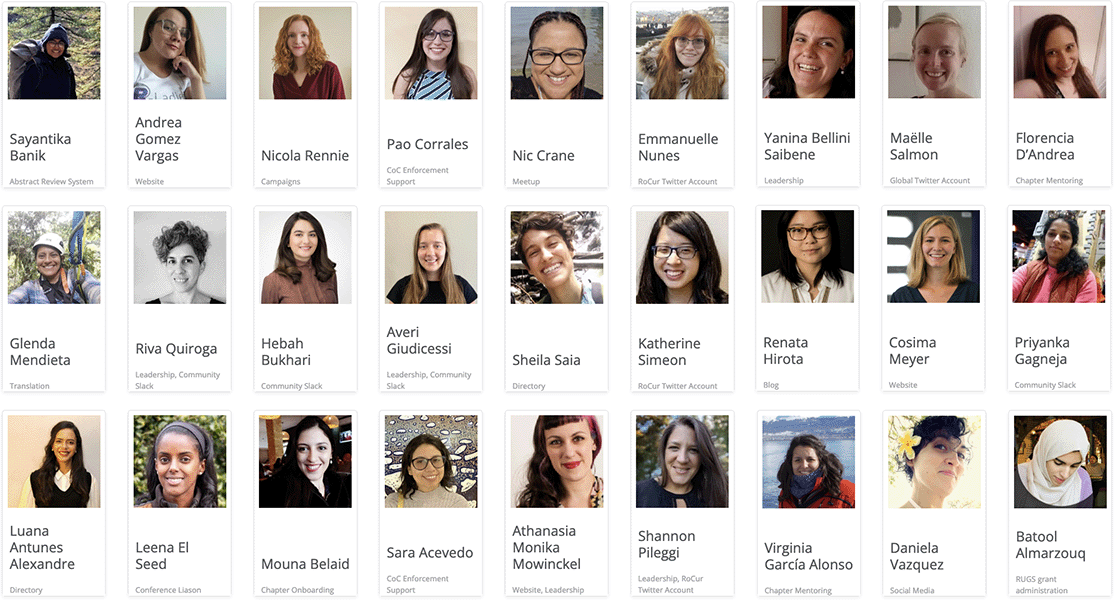
Role models: R-ladies1

“… the influence of role models is strong among women who don’t study computing at college but then go on to pursue a computing career.”
Too long, didn’t listen

Ask yourself these questions

  • Are there women in non-coding roles who I could support to try coding?
  • Do our training materials motivate and engage women?
  • Who are the role models inside and outside of my group?
  • Am I doing enough to challenge stereotypes around coding?
  • Can we do more outreach (STEM ambassadors)?